Therapy for trauma can be needed in many different situations. There are different types, and different treatment.
Trauma and PTSD are most commonly associated with war veterans. But unfortunately, veterans are not the only ones who deal with these mental health issues. Trauma can be experienced by anyone in any situation that triggers overwhelming feelings of isolation, fear, stress, shame, aggression, self-hatred, resentment of others, or sadness.
Depending on the situation and the intensity of feelings, trauma is categorized as:
Types of Trauma
Acute Trauma
Trauma is categorized as acute when experienced through a single and expected stressful or life-threatening event. For example, trauma experienced through a natural disaster or car crash.
Chronic Trauma
Trauma is considered chronic when it is experienced by repeated exposure to the same stressful event or danger. Examples of chronic trauma include domestic violence, racism, bullying, etc.
Complex Trauma
Complex trauma is experienced through repeated exposure to highly distressing and fearful events. Sexual abuse, torture, chronic abandonment, etc., are examples of complex trauma. The events that fall under complex trauma can also increase in intensity over time.

Trauma and PTSD – Impact and Solution
Experiencing any type of trauma can result in Post-Traumatic Stress Disorder or PTSD. The symptoms of PTSD include anxiety, flashbacks, nightmares, fear, stress, anger, overwhelming shame or guilt, insomnia, lack of focus, and being too cautious or self-destructive.
Therapy for trauma is essential to prevent trauma from resulting in PTSD. If therapy for trauma is not sought in time, a PTSD treatment plan can help.
Therapy for Trauma and PTSD
There are various trauma and PTSD treatment plan that prove beneficial. These include:
Exposure Therapy
As the name suggests, exposure therapy involves exposing patients to their anxiety and PTSD triggers in a safe and controlled environment. This allows the individual to explore their traumatic experience and increase their tolerance. Exposure therapy is especially helpful as it enables the individual to stop the situation if it happens again and stay calm.
Cognitive Processing Therapy
Cognitive processing therapy, or CPT, is a PTSD treatment plan that takes place over 12 weeks. It involved recalling the traumatic memory and working through it to decrease its intensity and impact. This therapy for trauma is especially helpful in managing symptoms of nightmares, flashbacks, etc.
Stress Inoculation Training
Stress inoculation training or SIT can be individual or group. It involves controlling and redirecting negative thoughts through breathing, meditation, and other techniques. It is a great beginner therapy for trauma for those who aren’t comfortable opening up about or delving deep into their traumatic memories.
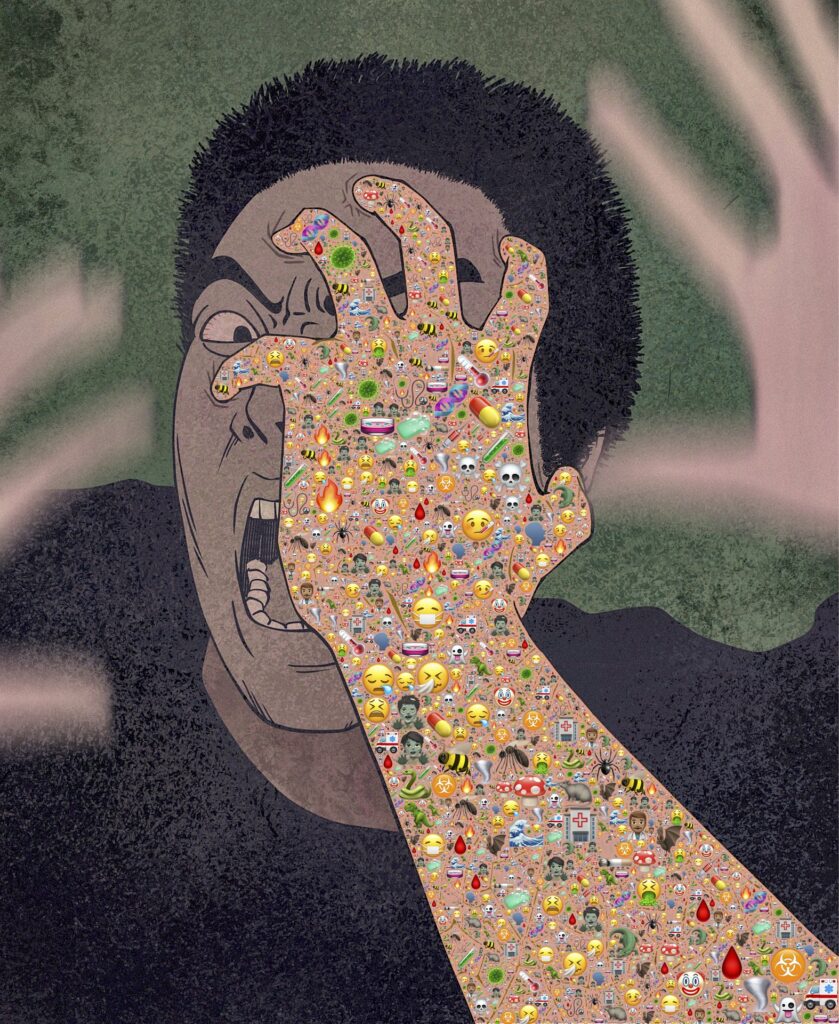
Eye Movement Desensitization and Reprocessing
Eye Movement Desensitization and Reprocessing, or EMDR, is especially helpful for those experiencing specific lights, sounds, or movements as trauma triggers. During EMDR therapy sessions, the therapist works with the patient to reprocess the trigger and turn it into a harmless, or at least less painful, situation.
Medication
Trauma and PTSD are difficult to live with as they chemically alter brain functions. They lead to a heightened fight or flight response, overwhelming the sufferer with emotions at the slightest inconvenience. Certain medications, such as SSRIs (selective serotonin reuptake inhibitors) and SNRIs (selective norepinephrine reuptake inhibitors), can help bring chemical balance to the brain. This helps reduce the intensity of emotions and prevent triggers.
Find Help Today
If you or a loved one have experienced a traumatic situation or suffer from PTSD, getting back control over emotions and life is possible. All of our therapists here at Clay specialize in trauma therapy and also PTSD treatment. Reach out for diagnosis and treatment for trauma and PTSD at Clay Therapeutics.