Anxiety therapy, what is it, and who needs it?
Worldwide, over 260 million people suffer from an anxiety disorder. In the US alone, the number of affected individuals is over 40 million. This means that about 19 percent, or one in every five individuals in the US, suffers from anxiety, making it the most common mental health issue.
However, these numbers only represent those who have been clinically diagnosed. The stigma related to mental health issues and the lack of resources prevent many more from seeking help. Therefore, the actual number of people affected by anxiety can be even higher. But the widespread prevalence of anxiety does not mean it is normal.
Symptoms and Types of Anxiety
Anxiety can severely impact one’s quality of life. Though anxiety can vary from person to person, the common symptoms include fatigue, irritability and restlessness, difficulty falling asleep, difficulty being distracted, unexplained aches and pains, and a racing heart.
Depending on the triggers and intensity of the symptoms, anxiety disorder is categorized into three main types, i.e., generalized anxiety disorder, social anxiety, and phobia-related anxiety. But no matter the type or symptoms of anxiety suffers from, getting help for it is essential to living a normal life as suffering from anxiety affects one’s problem-solving skills and general well-being. Fortunately, various anxiety therapies have been proven helpful. Different types of anxiety therapy have been developed to target specific triggers and symptoms. They can be tailored to a patient’s individual needs to prove effective. If you, or someone you care about, are suffering from anxiety, the following three types of anxiety therapy can prove beneficial:

Cognitive Behavioral Therapy
Cognitive Behavioral Therapy, also known as CBT, is the most recommended and widely-used therapy for anxiety. It is a talking therapy that involves the patient talking through their thoughts, feelings, and emotions. Besides helping the patient identify and voice their issues, the therapy helps them identify, challenge, and replace their negative thoughts and actions. This leads to a cognitive restructuring of the patient’s mind.
In simple words, it helps change the way a patient thinks. Cognitive skills refer to the mental activity of thinking, reasoning, and remembering. Anxious thoughts and feelings can easily lead to patients spiraling and experiencing heightened negative feelings. But helping them change the way they think through those emotions through CBT helps them take control of their emotions and subsequent actions. The high involvement of patients in CBT promotes long-lasting results. Patients are also taught various techniques to calm themselves and cope with difficult situations. CBT anxiety counseling also equips patients with skills to approach life more realistically by replacing unnecessary worry and fear in everyday life.
Exposure Therapy
After CBT, exposure therapy is the most common anxiety therapy. It involves systematic desensitization towards the anxiety triggers.
For anyone suffering from anxiety, it is only natural to avoid situations that they find triggering. However, avoiding fears can restrict one’s life and make the fears even stronger. But through controlled and systematic exposure, patients suffering from anxiety can learn to cope with their triggers and overcome their symptoms.
Patients are exposed to their triggers first through imagination. Once the patient feels confident to face the trigger in real life, the exposure occurs during anxiety counseling in a controlled environment. Thus through this anxiety therapy, patients gradually face their fears while building the confidence to overcome them. This anxiety therapy is mostly prescribed for social anxiety disorder and phobia-related anxiety.
Psychodynamic Psychotherapy
While less popular than CBT, psychodynamic psychotherapy also provides multiple benefits through anxiety counseling. It involves encouraging the patient to explore the origins of their triggers, fears, and worries.
For most people suffering from anxiety, the condition is rooted deep in their childhood or early life. In psychodynamic psychotherapy, patients are provided with a safe environment to recall the roots of their emotional suffering. Patients are then encouraged to self-reflect on their behavior in their present life stage and understand how past traumas continue to negatively impact their lives.
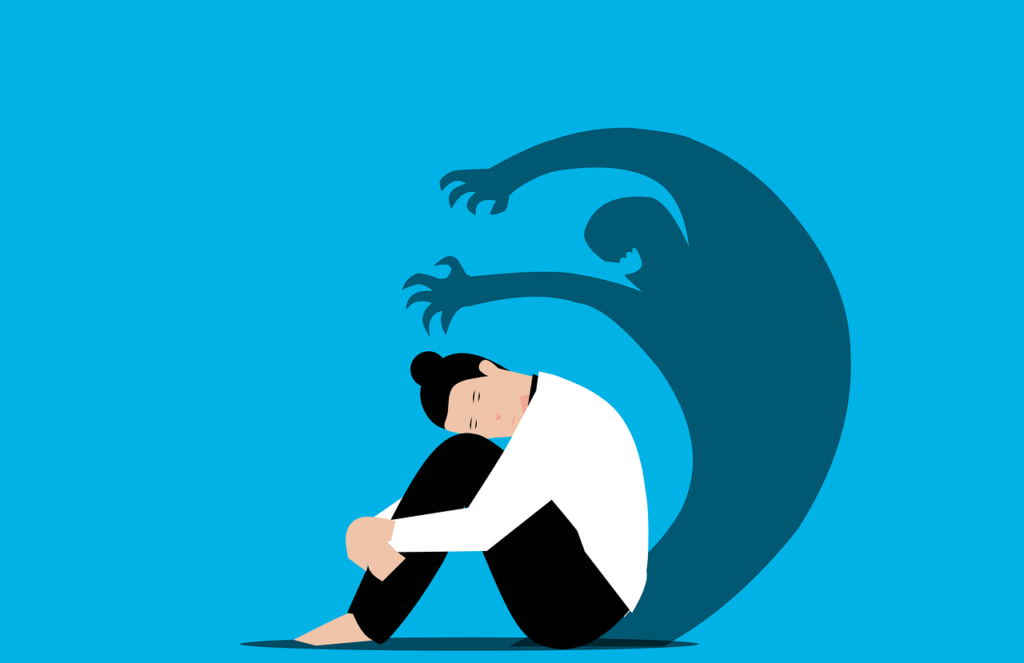
The ability to self-examine equips patients to separate their past from present and prevent their past trauma from influencing their present-day emotions and actions. The patients are enabled to identify the behavioral patterns that contribute to the challenges of their lives. This allows the patients to live life more intentionally and freely and leave their past in the past. This anxiety therapy is mostly prescribed to those suffering from depression in addition to anxiety. Psychodynamic psychotherapy and exposure therapy are often combined with CBT to achieve better results from anxiety counseling.
The Importance of Anxiety Therapy
Therapy is vital for anyone experiencing anxiety. However, it is common for people to quit therapy for not see immediate results. But while it is a slow treatment, anxiety counseling can produce life-long positive results. Moreover, APA reports therapy results can be observed after eight to ten sessions. Hence, anyone starting therapy must stick with it for at least two months to allow the treatment to work.
But no matter which therapy you opt for, its effectiveness can depend highly on the therapist you choose. A professional therapist can help you feel more comfortable voicing your emotions and feelings. They provide a judgment-free and open environment where you don’t have to worry about vulnerability. In fact, a good professional therapist will help you identify the environment you need to feel safe and work on your anxiety. You can also ensure that you choose the right professional therapist by asking them for the required training and therapy experience.
While online therapy is gaining popularity for its convenience, anxiety therapy is more effective in person. When sitting in front of you, the therapist can understand you better by reading your body language and facial expressions. These cues can allow them to try more effective approaches for you or suggest more conventional techniques.
But remember that therapists are not magicians; they can only help you if you are willing to receive help. Therapy allows you to work on yourself and improve your life in various ways. A therapist only assists you through your journey of overcoming your fears. Therefore, choose someone who is professionally trained for this task. Clay therapeutics can help you in finding a therapist that will properly match your needs.